Buying your first 3D printer can feel confusing. There are many different brands, technologies, sizes, speeds, materials, and features available, and it can be difficult to know which ones actually matter. The best 3D printer for beginners is not necessarily the most expensive or the fastest one. The right printer depends mainly on what you want to print, how often you plan to print, your budget, and how much you want to learn and experiment.
The first thing you should decide is what you want to make.
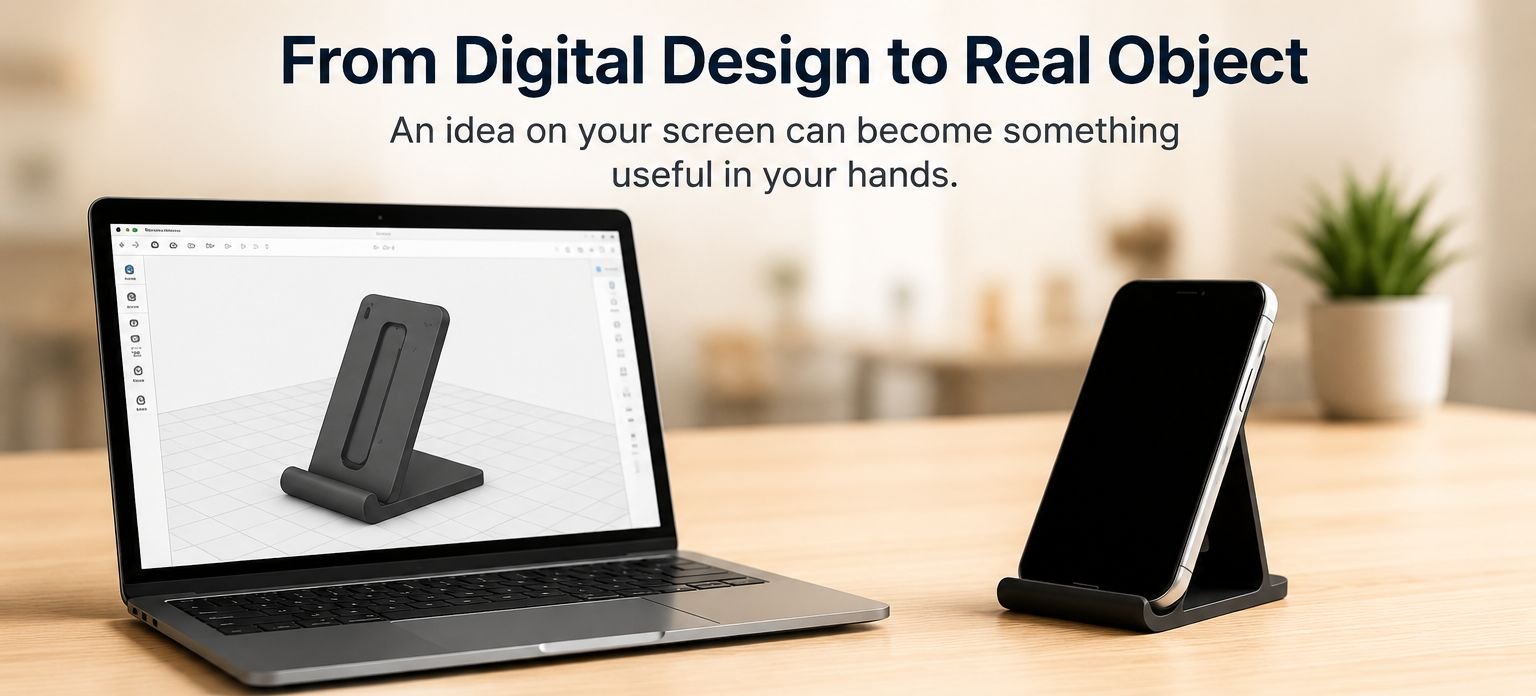
Do you want to print phone stands, organizers, toys, replacement parts, tools, cosplay items, or large decorative objects? Or are you more interested in highly detailed miniatures, figurines, jewelry designs and sculptures?
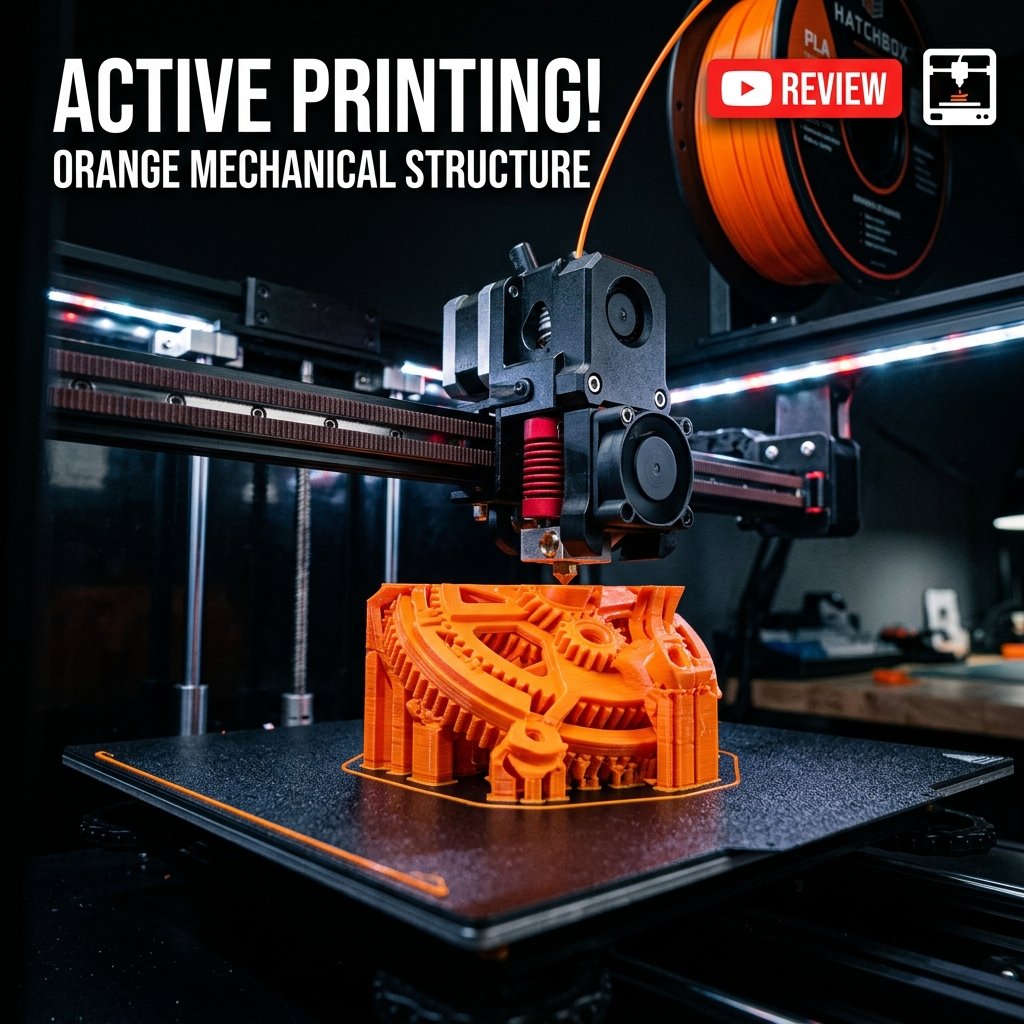
For most beginners who want to make a wide variety of everyday objects, an FDM 3D printer is a good place to start. FDM printers use plastic filament and can produce relatively large and durable objects. Materials such as PLA and PETG are also relatively easy to work with.
If your main goal is printing small objects with extremely fine details, a resin 3D printer, such as an MSLA printer, may be a better choice. Resin printers use liquid resin and UV light to create highly detailed models.
A simple way to think about it is:
- Functional objects, tools and larger models → FDM
- Miniatures, figurines and highly detailed models → Resin
You should also consider how much hands-on work you want. Some modern 3D printers offer automatic calibration, automatic bed leveling, filament sensors, cameras, and other smart features that make printing easier. Others give you more manual control and can be better for people who enjoy learning how the machine works.
So, What Should Your First 3D Printer Be?
There is no single best 3D printer for beginners. The best choice depends on what you want to create.
If you want a versatile printer for household objects, functional parts, prototypes, toys, organizers, and larger models, an FDM printer is generally a good starting point.
If you want highly detailed miniatures, sculptures, jewelry models, and small intricate objects, a resin printer may be more suitable.
Before buying, ask yourself these eight questions:
What do I want to print?
What is my budget?
Do I need FDM or resin?
Do I need an enclosed printer?
What build volume do I need?
Do I actually need high-speed printing?
Which features will make my printing easier?
What accessories will I actually need?
Once you answer these questions, choosing a printer becomes much easier.
Most importantly, don't feel that you need to buy the most expensive or most advanced machine available. A good first 3D printer is one that matches your needs, fits your budget, and makes you excited to start creating. As you gain experience, you can always move into advanced materials, larger printers, multi-color systems, resin printing, and more specialized equipment.